

Filing business taxes is a crucial responsibility for every entrepreneur and organization. Correctly filing taxes not only keeps your business compliant with the law but also helps you avoid hefty penalties, interest charges, and potential legal consequences. Yet, for many business owners, navigating the complexities of tax obligations can feel overwhelming. By understanding the right …


Generally, hedge funds are viewed as the top tier in the hierarchy of investments, owing to their capability of yielding exceptionally high returns and successfully managing intricate markets. However, what are hedge funds, and how do they function? Unlike other forms of investment such as mutual funds and ETFs, hedge funds employ a multitude of …

Economic recessions are a natural facet of financial cycles and can lead to devastating losses for unprepared investors. On the other hand, strong investment portfolios can weather most storms, as these harness the potential to mitigate risks even during unfriendly environments. Creating a bulletproof investment portfolio is a challenge that requires the right mix of …

Dreaming of owning your own home? You’ve got company. Many people believe that buying a home is the pinnacle of success: a place that reflects your personality and provides stability for years to come. Before you can make your dreams come true, you need to save enough money for a down payment. Raising the money …
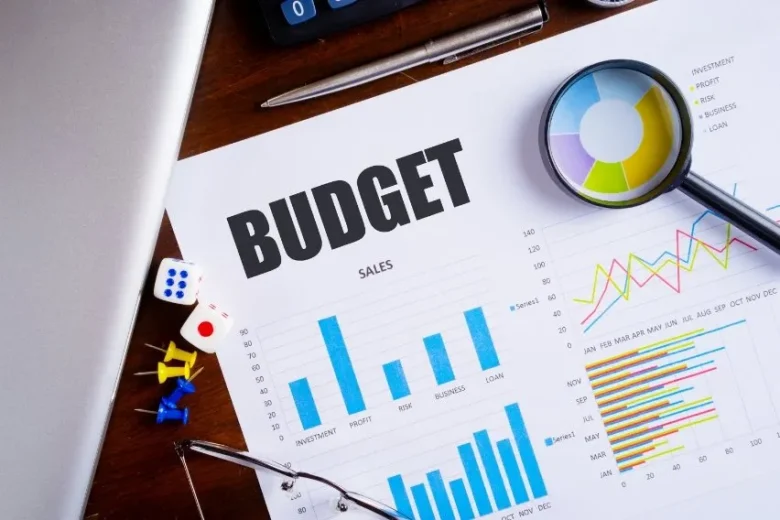
A business budget is the backbone of any successful organization. It serves as a roadmap, guiding you through financial decisions and ensuring sustainable growth. Without a budget, it becomes nearly impossible to track expenses, set realistic goals, or make informed investments. A business budget is not just about controlling costs; it’s about leveraging your resources …

Investment strategies help beginners expand and protect their wealth over time by setting clear goals and taking into account individual risk tolerances. To get started, set clear objectives and determine your risk appetite before beginning investing. For instance, an “index and few” strategy offers investors both index fund benefits (low risk, less work, potential returns) …

Cash flow forecasting is essential for all businesses, no matter their size or industry. Cash flow forecasting gives you a better picture of the financial future of your business and allows you to anticipate cash inflows. This insight is crucial for better decision-making, planning, and ensuring that you have the liquidity you need to cover operational costs …

The 60/40 portfolio strategy has served as the foundation of investment planning for decades, combining stocks and bonds to provide growth and stability simultaneously. The “classic” approach allocates 60% of an investment portfolio to equities for capital appreciation and 40% to bonds for risk mitigation. Traditionally, this strategy has been a good way to build …
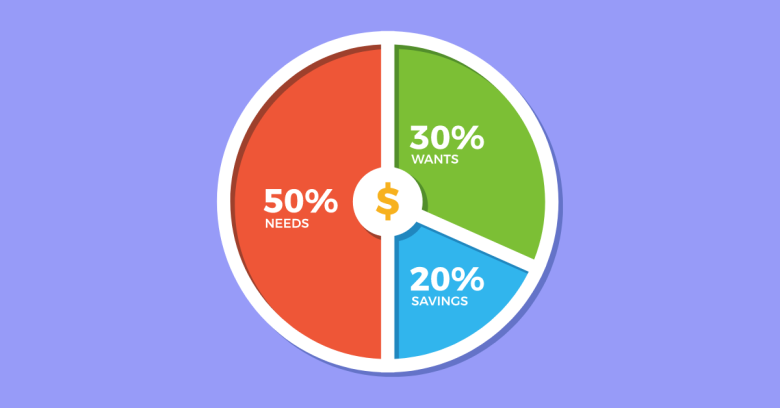
Utilizing the 50/30/20 budget method can help you set and achieve financial goals more easily; however, it requires work to identify needs from wants—as well as savings opportunities. This method of budgeting emphasizes the need to have an emergency fund, pay down debt, and save for retirement or long-term goals; however, it may not be …

Business credit is a crucial factor in your company’s overall financial success. Business credit is a similar measure to personal credit of your ability to meet financial obligations. Your business credit score will have a significant impact on the outcome of any transaction, whether you are applying for a bank loan, opening a vendor account, or …